Make your picks. Beat the host.

Take on Chuck in quick sports prediction challenges.

Find a golf challenge
Titleist's Joe Plecker uses a cradle drill to steady short pitch shots cover
Back to The Perfect Lie

Titleist's Joe Plecker uses a cradle drill to steady short pitch shots

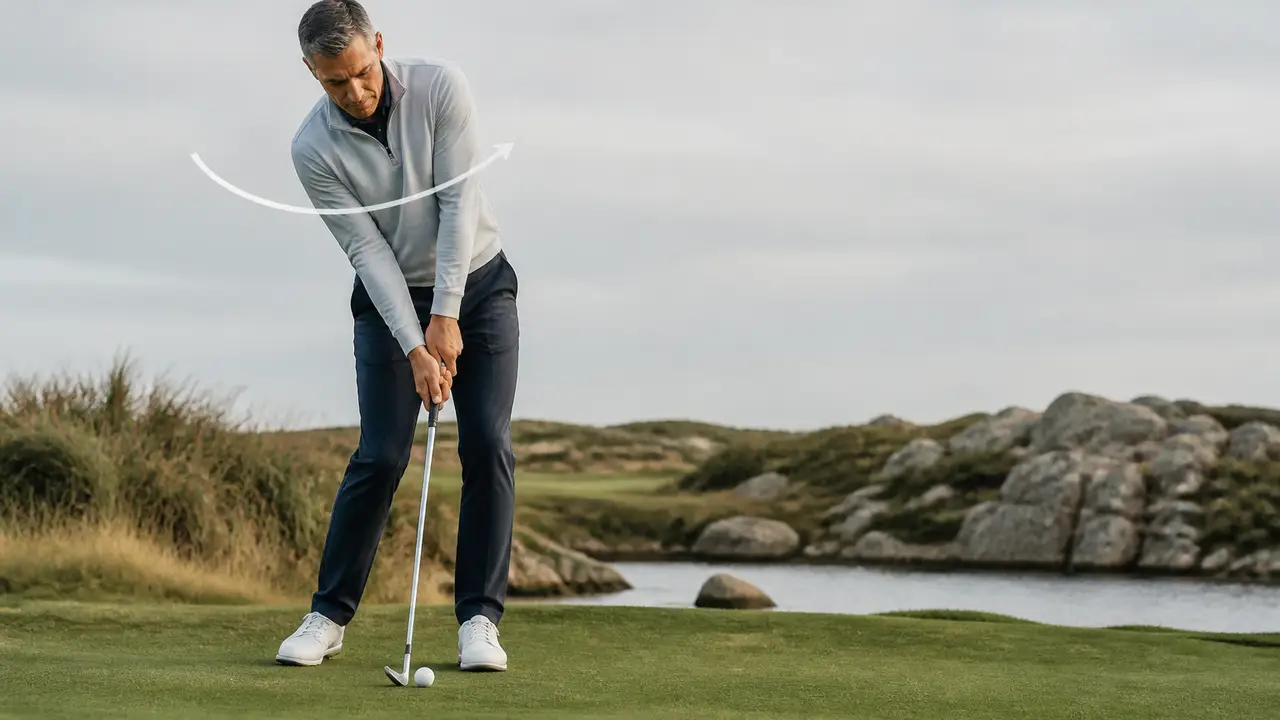
The instructor starts with the clubface against the ball and moves his chest and shoulder forward to counter scooping on short pitches over trouble.

Share this article

FacebookLinkedInXEmail
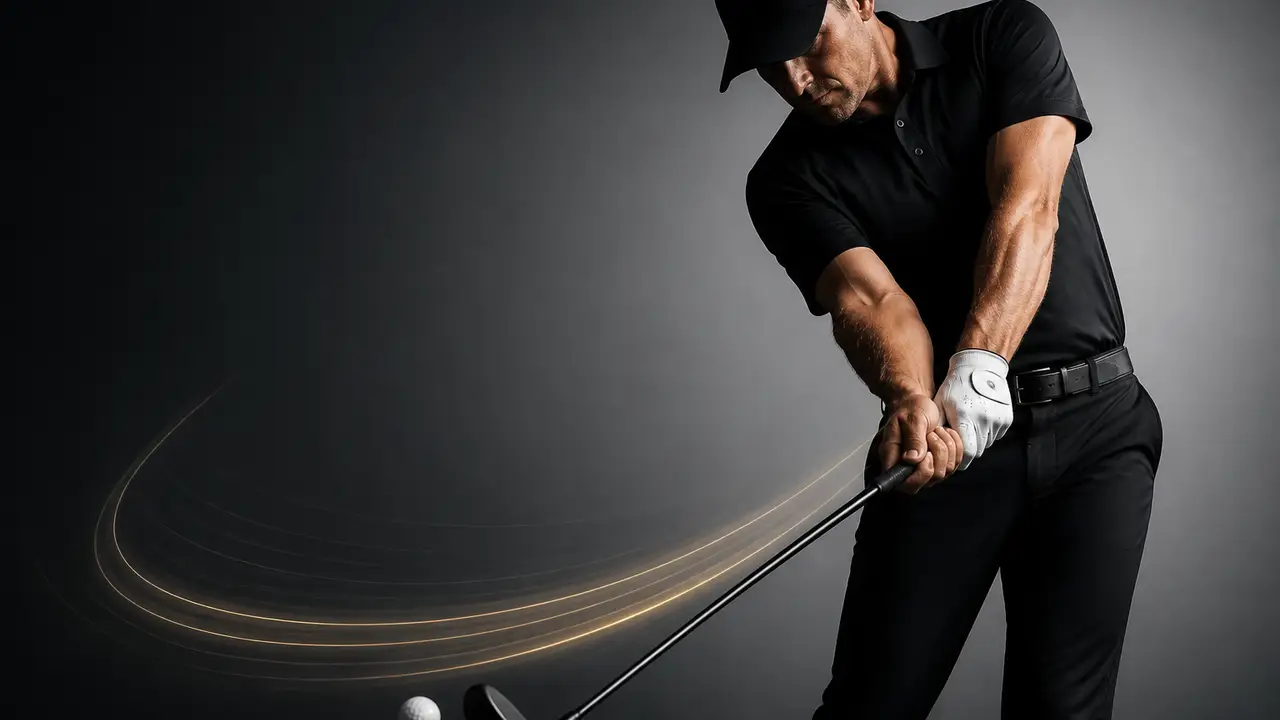
  • A short pitch over trouble asks a golfer to get the ball airborne without letting the club slide under it. In a new Titleist lesson, instructor Joe Plecker addresses the urge to scoop with a drill that begins before the swing: he rests the clubface against the back of the ball, then moves the ball forward with his chest and shoulder.

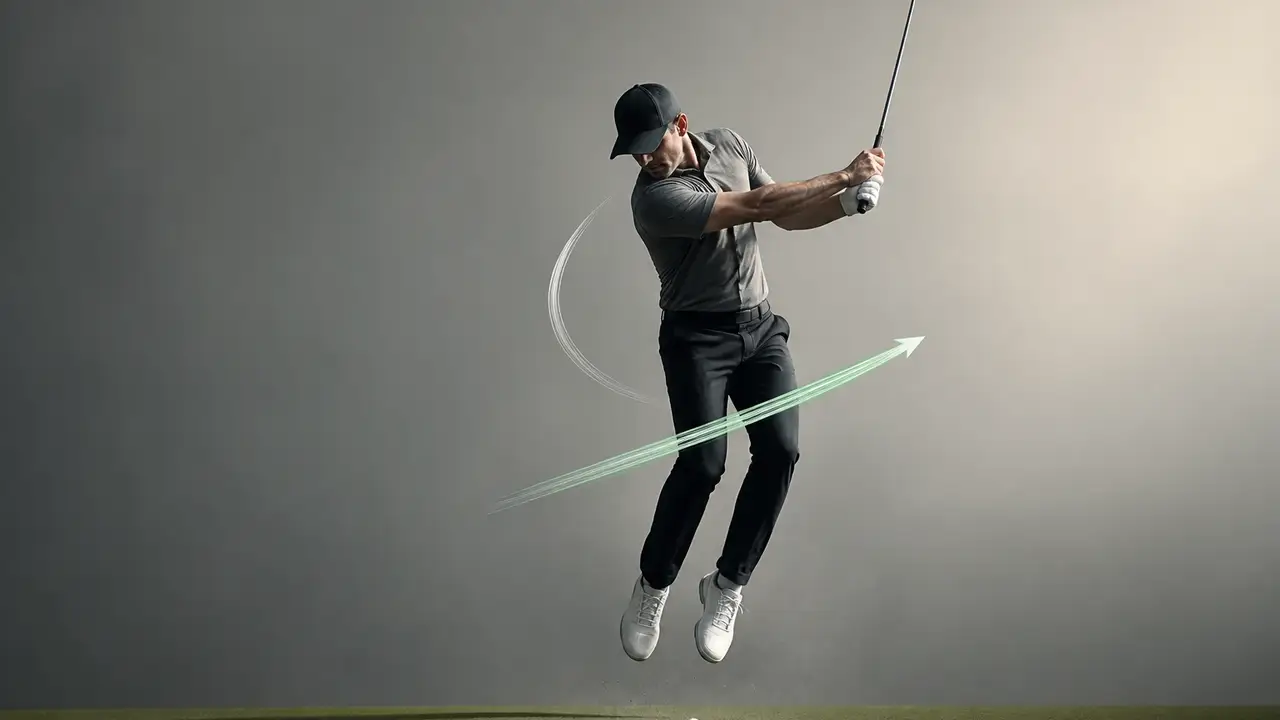
    Plecker calls it the cradle drill. He places pressure on his lead foot and tries to keep the club's sweet spot and his shoulder moving together. In the demonstration, his hands trace a J-shaped path around his lead hip, the handle works up and in, and the shoulder finishes facing the target. The point is a controlled short pitch, with the body continuing through impact instead of falling away from the target.

  • YouTube

    Short Pitch Shot Technique: The Cradle Drill Explained | Titleist

    Read source
  • The September 23 video shows the error Plecker is trying to fix. A player who drops the trail shoulder and lets the clubhead pass the hands can slip the face beneath the ball. Plecker says that pattern leaves the player exposed to thin shots, chunks and flips. His starting position makes the difference between the two motions visible: if the shoulder moves back, the face loses its position behind the ball; if the chest turns forward, it carries the face through.

  • Make your call with Beat Chuck

    Check the challenge board for the latest open games.

    All Beat Chuck games →
    Golf Chuck
  • Titleist's written version of the lesson gives the same sequence and dates it September 23. This is a practice feel for a particular finesse shot, rather than a promise that every golfer should deloft every wedge shot.

  • The setup has some context in Plecker's earlier teaching. In a Golf.com lesson on 75-to-100-yard approaches, he moved a player's ball position back and handle forward to change trajectory and improve contact. That is a longer approach than the short pitch in the new video, so the two drills should not be treated as interchangeable. Both demonstrate why setup and body rotation can matter more than trying to lift the ball with the hands.

  • A useful way to test the cradle drill is to rehearse it without hitting a ball, as Plecker does in the video: put the face behind the ball, favor the front foot, and watch whether the chest and shoulder move the face forward together. Then try small pitches from a safe practice area before using the motion over a hazard on the course.