Can you outpick Chuck?

Make yes-or-no picks on TGL and WTGL golf. Beat Chuck by getting more picks right than he does.

Browse golf challenges
Titleist's Joe Plecker adds a hard stop to Lee Ro-un's step drill to build iron speed cover
Back to The Perfect Lie

Titleist's Joe Plecker adds a hard stop to Lee Ro-un's step drill to build iron speed

Plecker borrows a rhythm drill from instructor Lee Ro-un, adds a braking move into the lead foot, and warns golfers not to try the stop with the clubhead below their hands.

Share this article

  • Joe Plecker's latest Titleist lesson is about stopping. In a video posted Nov. 16, Plecker takes a rhythm drill he learned from instructor Lee Ro-un, adds a braking move into the lead foot, and says that stop is what sends speed out to the clubhead.

  • YouTube

    Build Iron Speed With This Golf Swing Drill | Titleist

    Read source
  • Plecker calls Ro-un an instructor he admires. Ro-un's drill is simple: the swing starts with the club moving in a different direction, then you step and swing in one fluid motion. The video calls pushing away from the ball through your front foot "probably the magic move."

    The brake

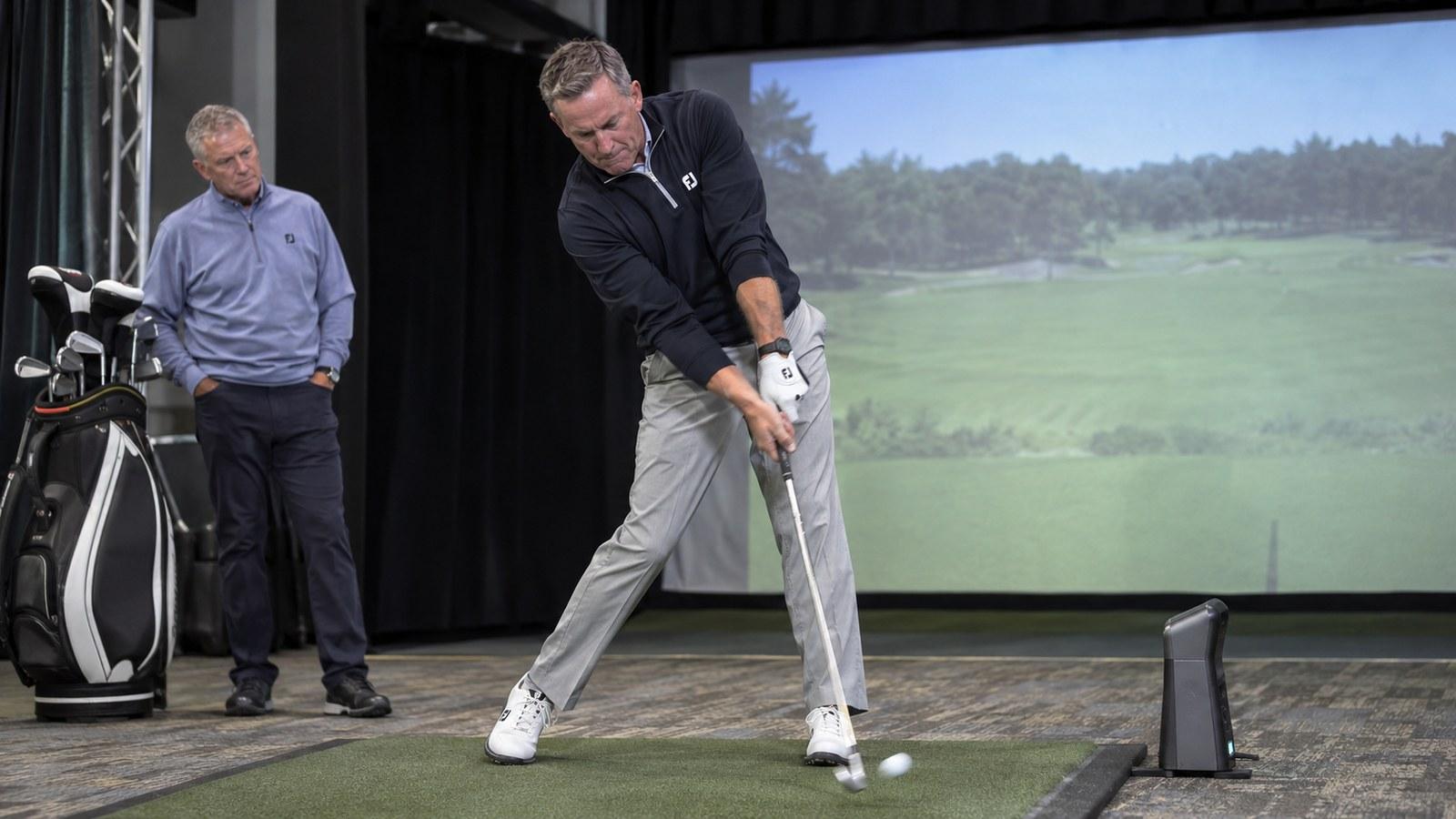
    Plecker's addition comes halfway down. By then, he says, his lower-body pressure is on his front foot and he is pushing back from the ball, the target and the ground as hard as he can. Then he puts the brakes on, and the pressure stops. So does the club.

  • Make your call with Beat Chuck

    Check the challenge board for the latest open games.

    All Beat Chuck games →

    Golf Chuck
  • The sequence goes like this. Start with your front foot behind your back foot. Swing back, step forward, then stop halfway down and hold. Plecker says the braking force puts a lot of energy into the release. Players whose bodies keep moving through impact, he says, spill energy out of the club instead of sending all of it into the clubhead and the ball.

    His comparison is a fishing rod. When you cast, you swing forward and stop, and the energy whizzes out to the tip and sends the lure into the lake. Keep pulling all the way through and the rod never gets fast.

    Moving it to an iron

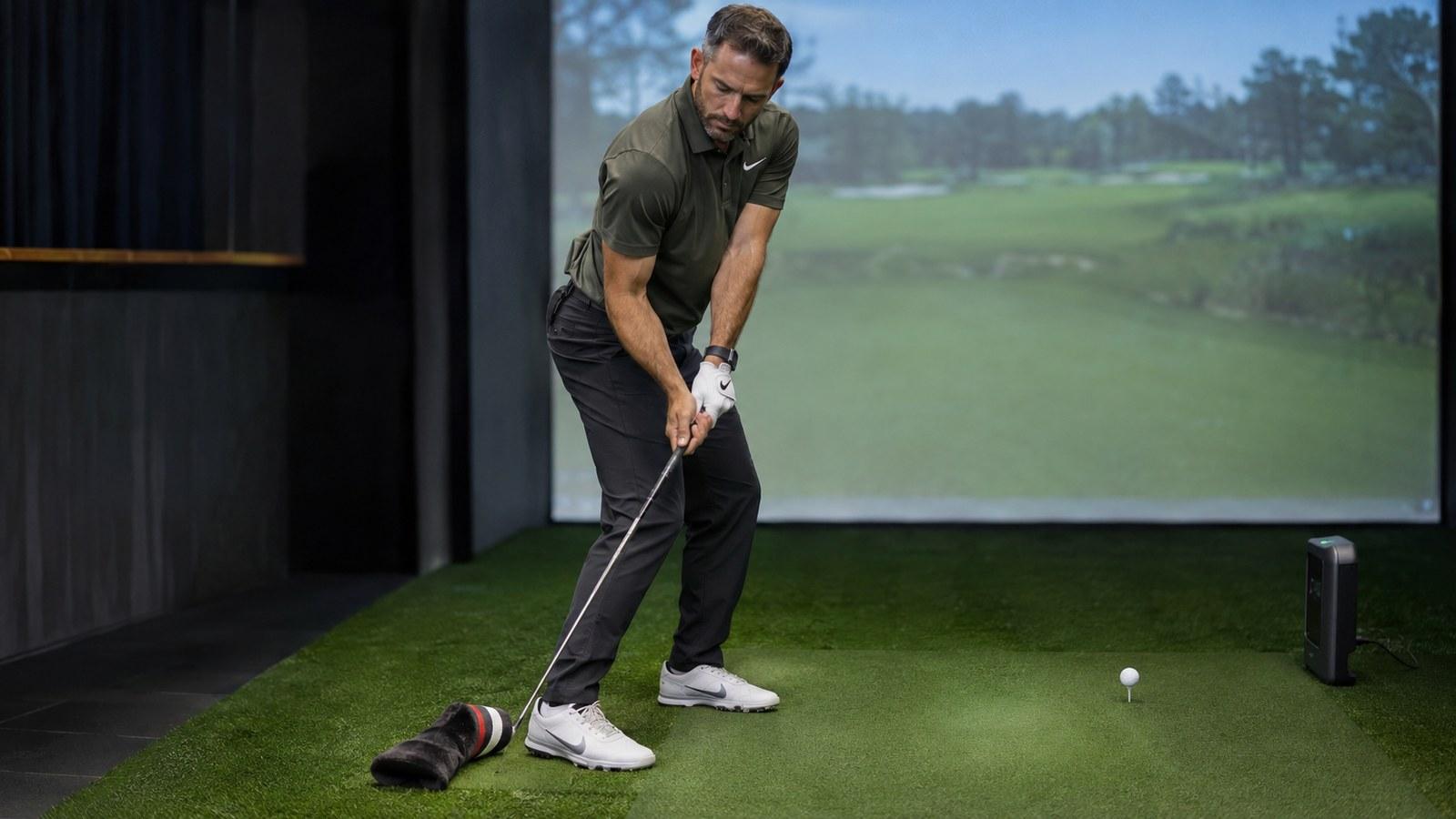
    Plecker demonstrates the stop with a training aid that has its weight up in the handle. On the course, he wants it in a scoring iron, wedge through 7-iron, and says he wouldn't shorten a driver, fairway wood or hybrid swing this way. From your normal stance, swing back and brake into the lead foot. He points out that his chest and upper body stay slightly behind the ball while his lower-body pressure moves forward, and the club then pulls him into the finish.

  • To rehearse it, hold the iron upside down, make the rhythm move and hold, then set up over the ball and make the same move.

    The safety warning

    Plecker is blunt here. Don't make the hard stop with the clubhead below your hands in a normal striking position. You can't stop that force, he says, and you could hurt your wrists, elbows, shoulders or neck. Practice the stop only with the weight above your hands or in your hands, like the upside-down club. You still brake with the body, he says, while letting the club release past your hands on the follow-through.

    Who it's for

    Plecker says this lesson is for players with good grips, good setups and even good swings who still get poor contact and distance because they never stop their hands from pulling forward. Golfers who lean the shaft too much and get out in front of the ball should find the drill feels powerful. Their hands will finish closer to the hip. He notes that many powerful iron strikers have fairly short follow-throughs, which help them control the impact point, loft and path and stay in posture.

    In the sim bay

    Plecker doesn't give speed numbers in the video, so your launch monitor is the test. Hit a few normal 7-irons, rehearse the step-and-stop with the club upside down, then hit the same club with the lead-foot brake and compare clubhead speed and strike. It pairs with his three-swing driver speed drill and his earlier lesson on how hand motion shapes the release.