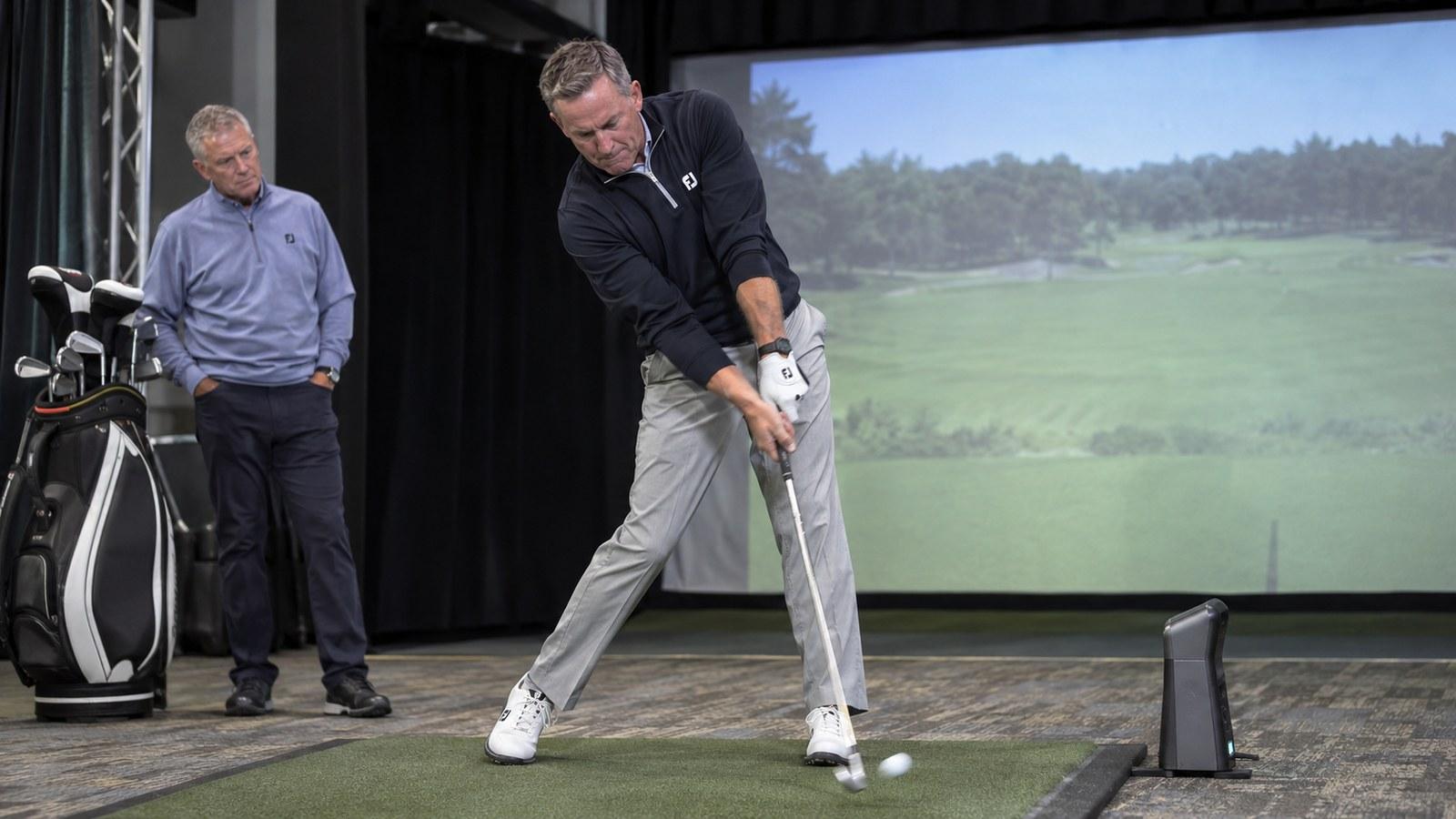
Michael Breed tries Dave Phillips' early lead-leg push and gets his 6-iron to 123 mph ball speed
Breed picked up the sequence from the TPI co-founder at a PGA of America coaching summit, then tested it on a launch monitor, starting with no backswing at all.
By The Perfect Lie Golf Desk / 1 source / Published November 16, 2026
Michael Breed says a conversation with Dave Phillips changed how he starts his downswing. In a video posted Nov. 12, Breed explains that he asked Phillips, the Titleist Performance Institute co-founder, what had made the biggest difference in his own game at a PGA of America coaching summit in California. Phillips pointed to a sequencing drill. Breed went home, tried it and filmed the numbers.
- YouTube
Dave Phillips Taught Me This Sequence: It Can Add Up to 20 MPH of Ball Speed
Read source ↗ The idea is simple. You can't use your legs too early in the downswing. "However soon you use it, it's not soon enough," Breed says, paraphrasing Phillips. Breed says Phillips, who is over 60, measured himself, saw he was slower than he could be and kept moving the leg action earlier until the ball speed climbed. Breed credits the drill to Phillips and Dr. Greg Rose and says it gave one of his own students 20 mph of ball speed. TPI posted a similar stopped-downswing drill in October, the Pelvic Punch, and Breed's video adds a launch-monitor test of the idea.
Step 1: start from parallel
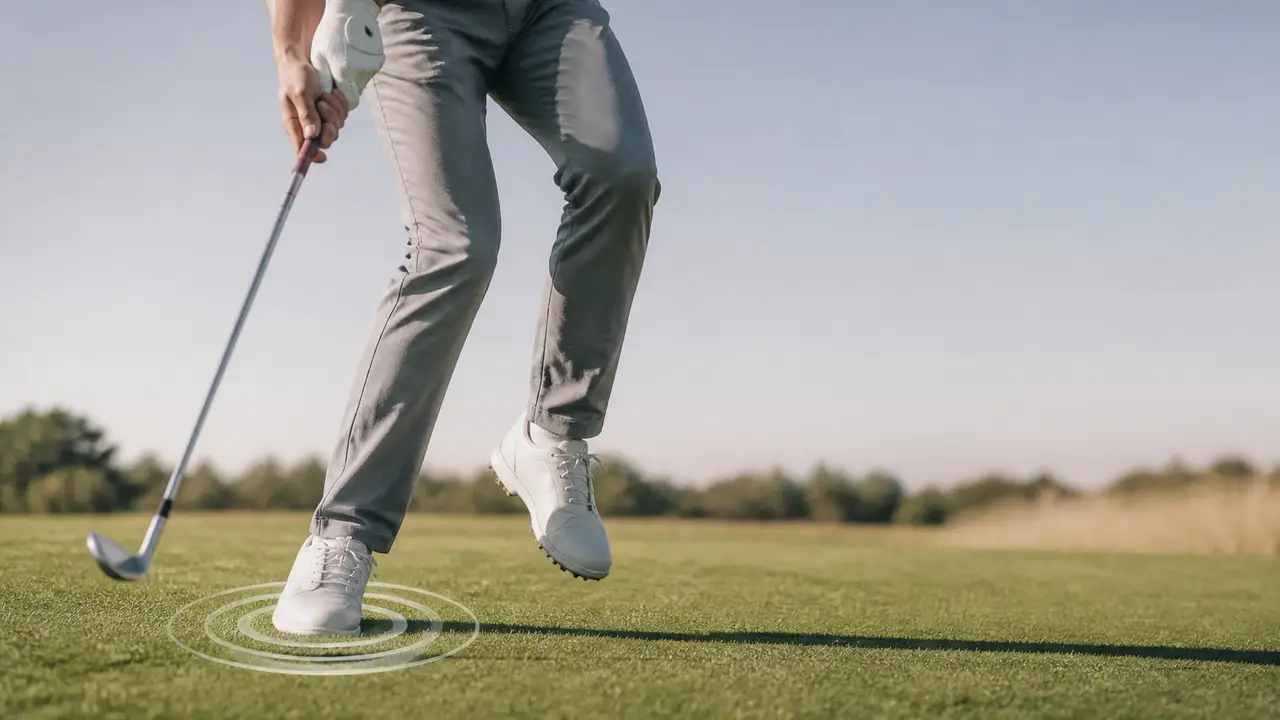
Hold a 6-iron with the shaft parallel to the ground in the downswing. From there, swing as hard as you can, and get the speed by feeling your lead leg push "back and away" as fast as possible.
Free to play
Make your call with Beat Chuck
Check the challenge board for the latest open games.
All Beat Chuck games →
Breed first tried it the old way, letting his legs sag. That gave about 46 mph of clubhead speed and 63 mph of ball speed. Then he straightened the lead leg right away. His first few were mishits, a topped shot among them, and the clubhead speed still jumped into the high 50s and low 60s. The best of that set was 64 mph of clubhead speed and 92 of ball speed.
Step 2: lead arm parallel
Next, take it back until your lead arm, not the shaft, is parallel to the ground, and push off right away. Breed got 74 mph, then 76 to 77 mph with 102 mph of ball speed, and then 105 of ball speed on a shot that flew 155 yards. He says his normal full 6-iron swing produces about 83 to 84 mph of clubhead speed, so this half swing was only six or seven short.
Step 3: from the top, no backswing
Start at the top without making a backswing, then push the lead leg right away. Breed hit 80 mph of clubhead speed, 117 of ball speed, 176 yards of carry and 181 total. He says he usually plays his 6-iron at 175.
Step 4: full swings
Finally, make a normal backswing and straighten the lead leg the moment you reach the top. His first full swings came in at 84 mph and 116 of ball speed, then 85 and 119, then 85 and 120. After about a dozen swings he got to 89 mph of clubhead speed and 123 of ball speed, with 186 yards of carry, a 93-foot apex and 189 total. That's four or five mph more clubhead speed than he usually gets.
Breed's warning is that the drill takes many reps and some patience before the strike catches up with the speed. Several of his fastest swings were mishits.
In the sim bay
You need one club, a launch monitor that shows clubhead and ball speed, and some space. Log a few normal 6-irons, then work through the four steps in order and compare. If your speed goes up and your strike goes down, Breed would tell you that's expected at first. Phillips has shown up on TPL before, shaping draws and fades with trail-hand feels.
More from The Perfect Lie
Related stories
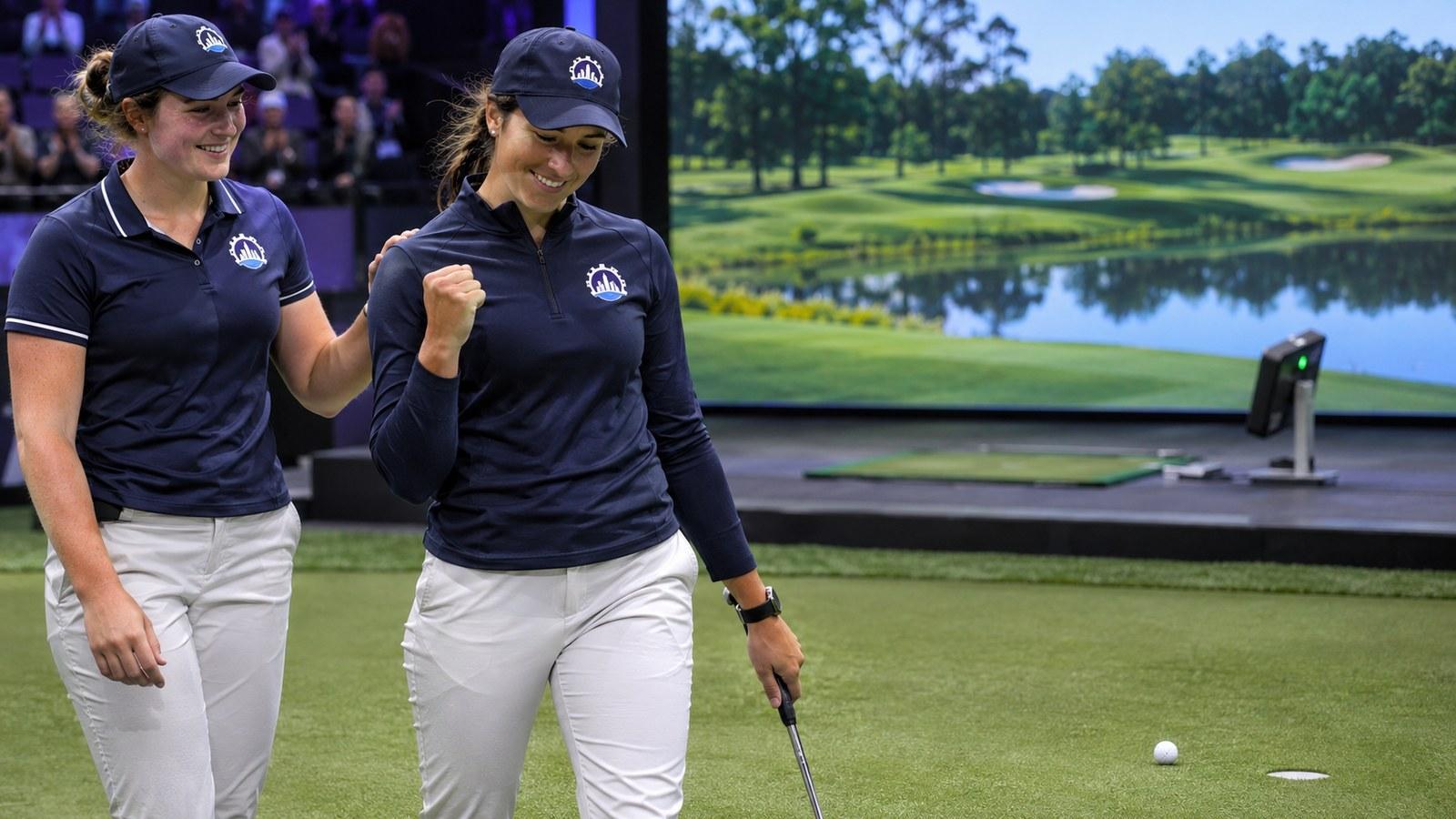
NewsMotor City wins WTGL's first overtime match as Ramey takes Austin on Monday
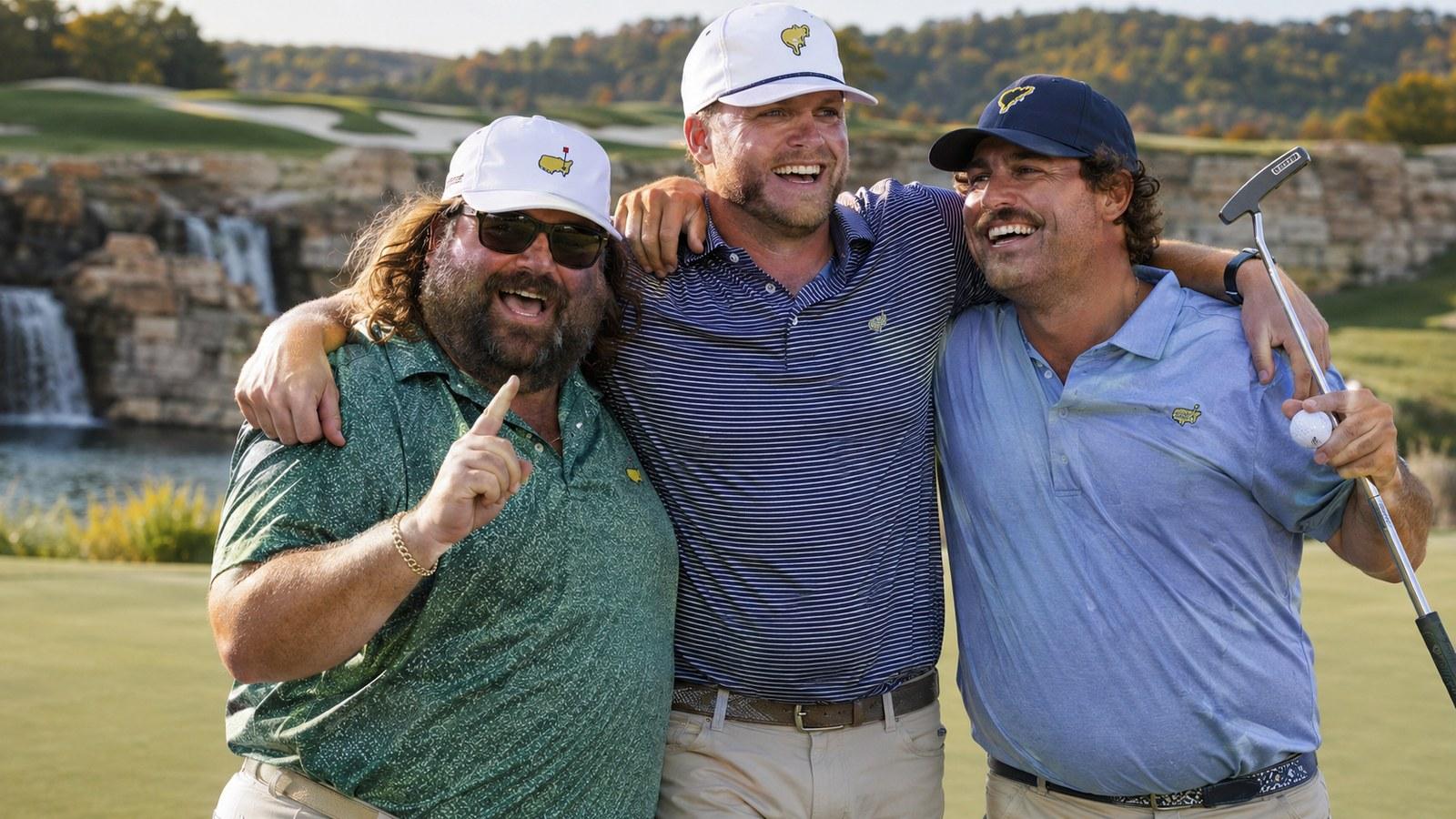
NewsFat Perez, Riggs and Bobby Ray win the $4 million Internet Invitational
TipsTitleist's Joe Plecker adds a hard stop to Lee Ro-un's step drill to build iron speed

NewsCink leads by six in Phoenix as darkness halts Austin with Crowe at 13 under