
Me and My Golf traces a scratch golfer’s steep swing back to the backswing
Piers uses two camera views, split-stance work and focused feedback to show why a better rehearsal may not yet appear in a shot.
By The Perfect Lie / 1 source / Published October 6, 2026
Me and My Golf’s latest lesson follows a scratch golfer whose swing looks orderly but still produces a steep delivery and weak shots to the right. The October 5 video traces that result back to how he turns and loads during the backswing.
Piers works with Hunter, a PGA professional introduced in the film. Hunter wants more height with his irons and has been trying to shallow the club. The lesson begins with several shots, then reviews video from down the line and face on.
- YouTube
Me and My Golf: Why This Scratch Golfer Couldn’t Stop Coming Over the Top
Read source ↗ The first view shows the club and hands arriving above the desired plane. The face-on view gives Piers an earlier place to investigate: Hunter’s upper body moves toward the target while his trail hip stops turning effectively. Piers describes the right side as becoming locked out, leaving Hunter poorly positioned for the transition he wants.
Free to play
Make your call with Beat Chuck
Check the challenge board for the latest open games.
All Beat Chuck games →
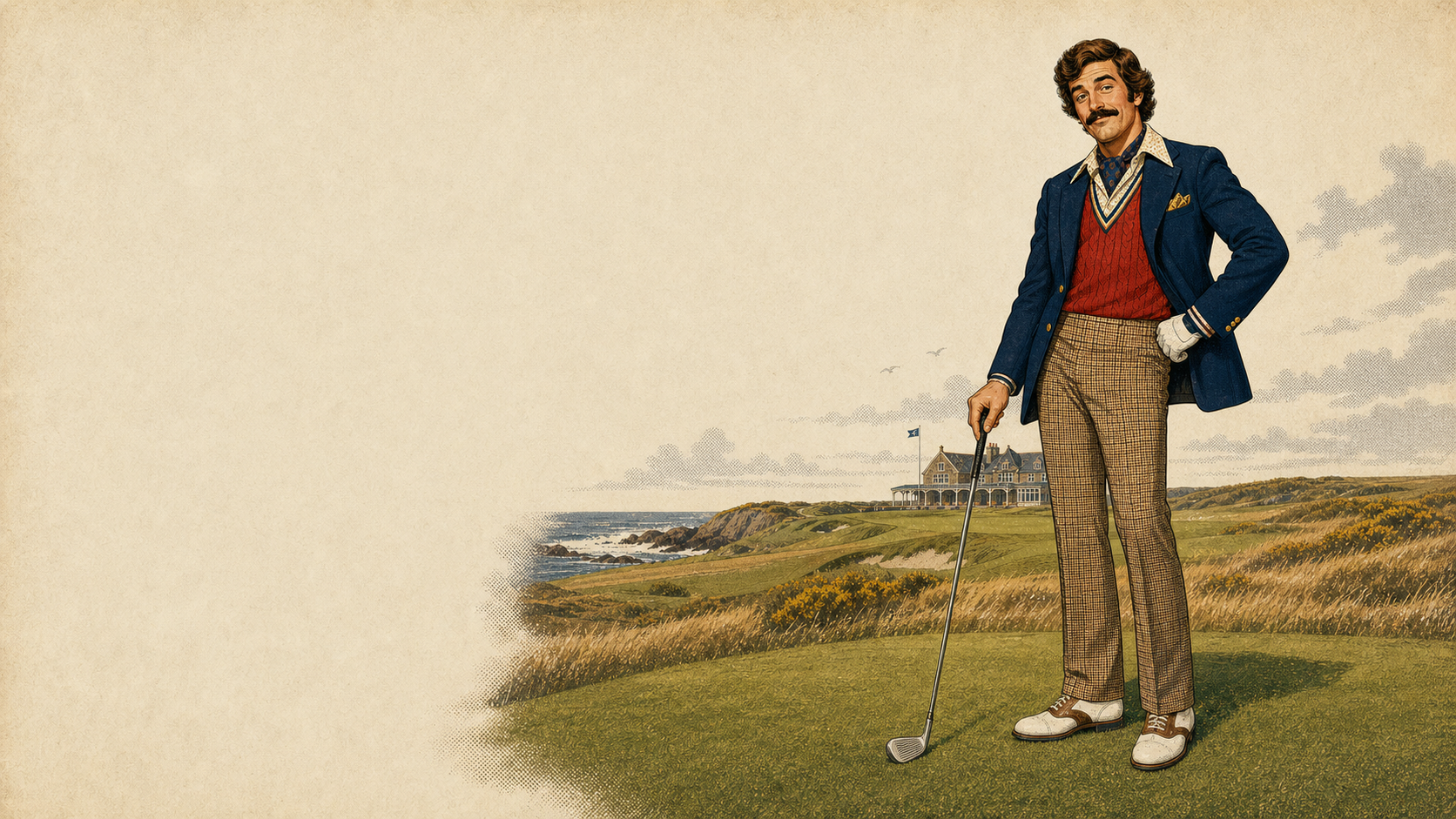
The practice changes come in stages. Piers uses split-stance rehearsals to help Hunter feel a different trail-side load, then asks him to delay the upper-body turn as the arms begin down. They progress from practice swings to small shots and toward a more familiar stance.
A separate Carolinas PGA coaching article provides context for that approach. Kevin L. Britt describes limited backswing hip rotation as one possible contributor to an excessive out-to-in path. His explanation emphasizes creating depth and pressure in the trail side. That is general coaching context, while the video shows Piers adapting the work to Hunter’s particular movement.
The Swing Coach app is used throughout the session, including spoken feedback on one selected position. Piers narrows the display and feedback to the issue they are working on. He also points out a difference between performing the movement in a rehearsal and reproducing it when a ball is present.
That distinction gives the lesson much of its value. Hunter can produce a better-looking practice motion without immediately carrying all of it into a shot. The repeated feedback lets them revisit the movement rather than assume that an unfamiliar sensation means the change has happened.
The coaches finish by reviewing a shallower delivery and discussing the cleaner shots produced in the lesson. It is a session’s result, with further work still expected. The video also promotes Me and My Golf’s Swing Coach app.
For golfers reviewing their own footage, the useful lesson is the order of the investigation: identify the delivery, look for an earlier movement contributing to it, then compare rehearsal and shot before judging progress.
More from The Perfect Lie
Related stories
NewsWhy Cameron Young and Chris Gotterup lead golf's under-30 list

NewsGolf Digest’s new Mind Games episode asks golfers to notice when they rush

NewsConners’ Presidents Cup putting swings from Saturday save to Sunday struggle
NewsNeoPace G10 Pro brings 3D swing replay and GSPro support to a new $899 launch monitor