Make your picks. Beat the host.

Take on Chuck in quick sports prediction challenges.

Find a golf challenge
Greg Rose’s golf jump drill connects the leg push with the arm swing cover
Back to The Perfect Lie

Greg Rose’s golf jump drill connects the leg push with the arm swing

Titleist’s evergreen demonstration reverses the usual arm action in a jump, then adds direction before returning to a smaller golf motion.

Share this article

FacebookLinkedInXEmail
  • Greg Rose’s golf vertical-jump drill starts with an unfamiliar pairing: the arms rise as the body lowers, then move down as the legs push upward. In Titleist’s demonstration, that sequence gives golfers a way to feel how the lower body and arm swing can work together.

    This is evergreen instruction. Titleist posted the video on YouTube August 11, 2025; its own instruction page dates the demonstration to May 8 of that year. Rose, a co-founder of the Titleist Performance Institute, uses exaggerated movements to teach a feeling before bringing it back into a smaller golf motion.

  • YouTube

    Boost Your Clubhead Speed with this Vertical Jump Drill | Titleist Tips

    Read source
  • Reverse the ordinary jump

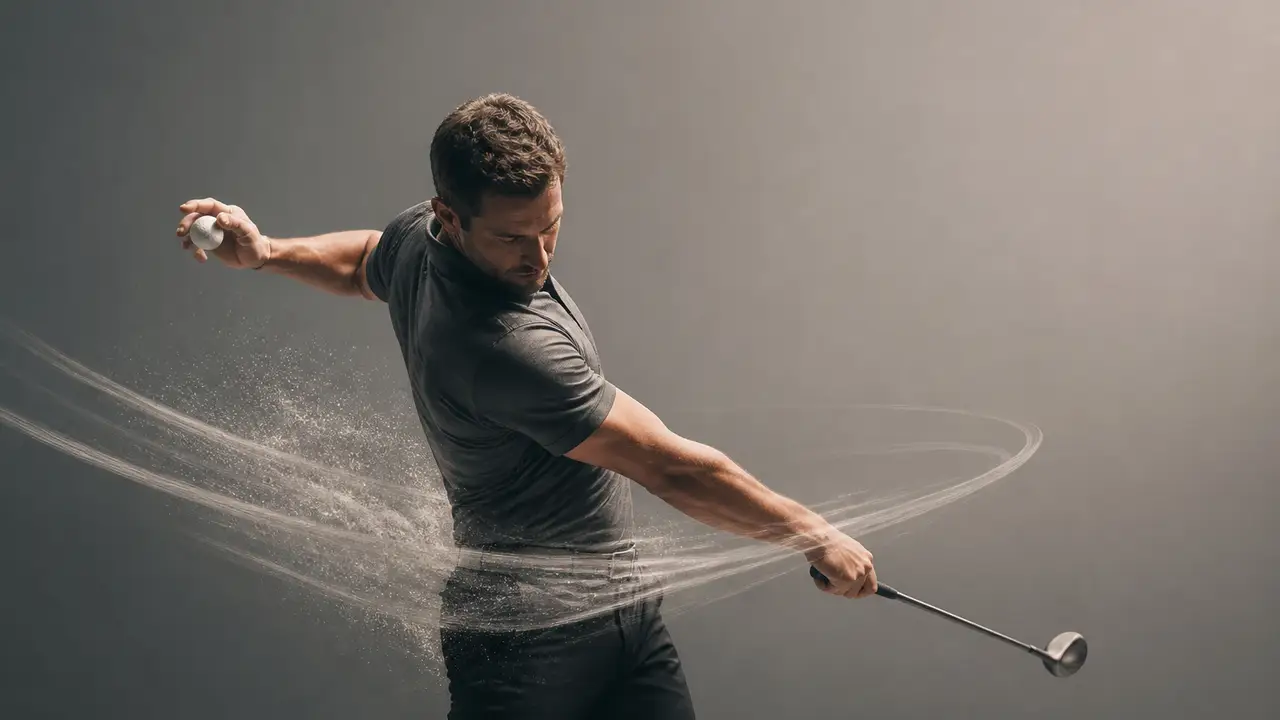
    An ordinary vertical jump often involves swinging the arms down during the squat and up during takeoff. Rose asks golfers to reverse that arm action. Start tall, raise the arms while lowering the body, then bring the arms down as the legs extend.

  • Make your call with Beat Chuck

    Check the challenge board for the latest open games.

    All Beat Chuck games →

    Golf Chuck
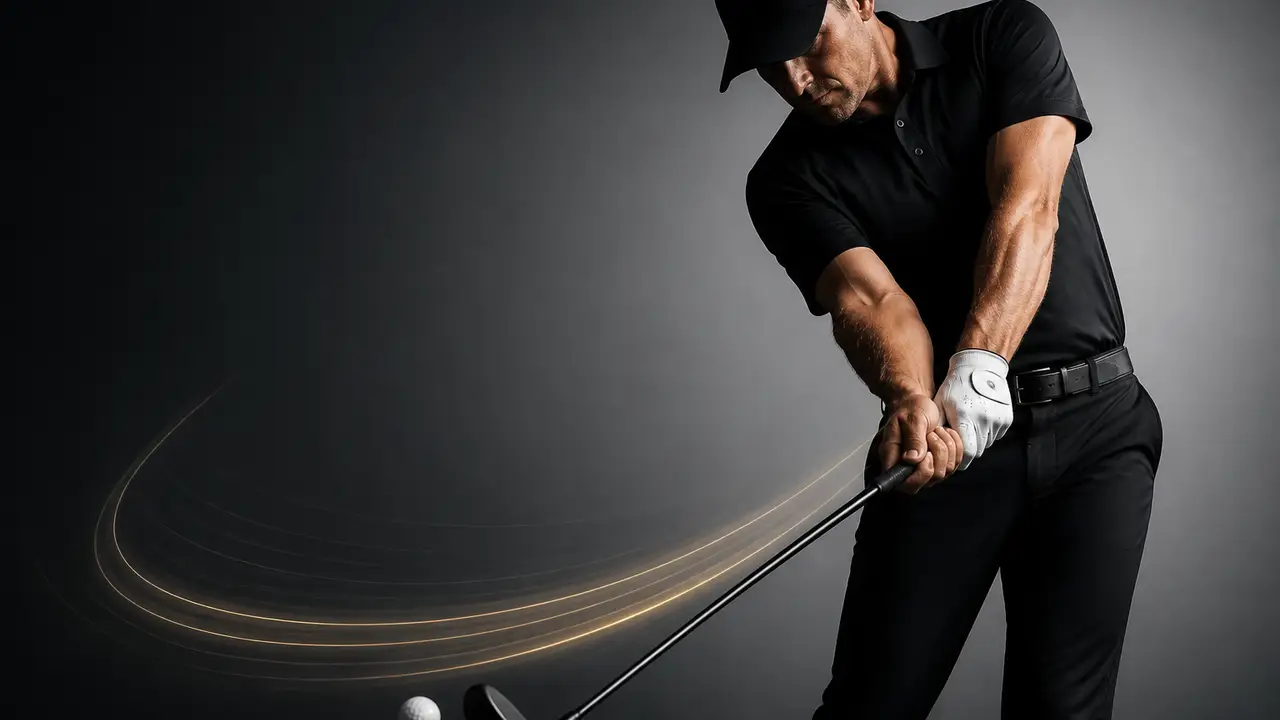
  • He next puts the hands together in a golf grip and takes them toward the backswing position. His emphasis is timing: the downward arm motion accompanies the push from the legs. Lowering the arms first and jumping afterward misses the coordinated feeling he is demonstrating.

    Add direction

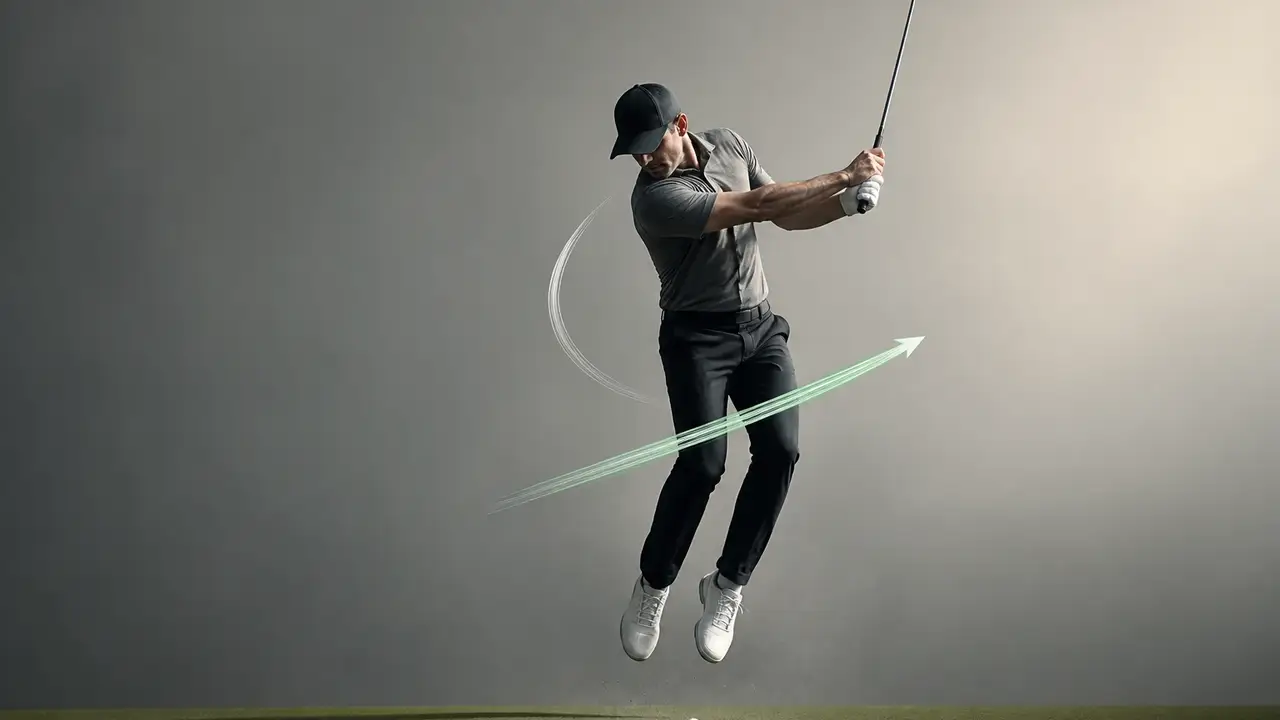
    Rose places a club diagonally on the ground, running from the trail-toe area toward the lead heel in his right-handed example. He calls it a surf line. The next movement follows that line as the golfer jumps, adding a directional and rotational component to the first vertical exercise.

    He wants the push to feel more pronounced from the lead leg. He also makes clear that the golfer should avoid landing on the club. The prop illustrates direction; it is not a target to jump onto.

  • Rose then demonstrates an optional progression with a non-bouncing medicine ball, driving it down along the same line. His choice of ball matters: a rebound would change the exercise and could send the ball back toward the golfer.

    Bring the feeling back to a swing

    The final step uses a golf club and gradually reduces the exaggerated movement while keeping balance. The demonstration does not establish a measured clubhead-speed increase for an individual player. It supplies a sequence to explore, rather than a distance guarantee.

    Titleist presents the drill as physical instruction and notes that exercises are not suitable for everyone. Its accompanying page recommends medical advice before beginning an exercise program. The complete demonstration is the useful reference for Rose’s timing, direction and progression.