Can you outpick Chuck?

Make yes-or-no picks on TGL and WTGL golf. Beat Chuck by getting more picks right than he does.

Browse golf challenges
PGA's Swing Lessons breaks down 4 driver moves in Rory McIlroy's swing cover
Back to The Perfect Lie

PGA's Swing Lessons breaks down 4 driver moves in Rory McIlroy's swing

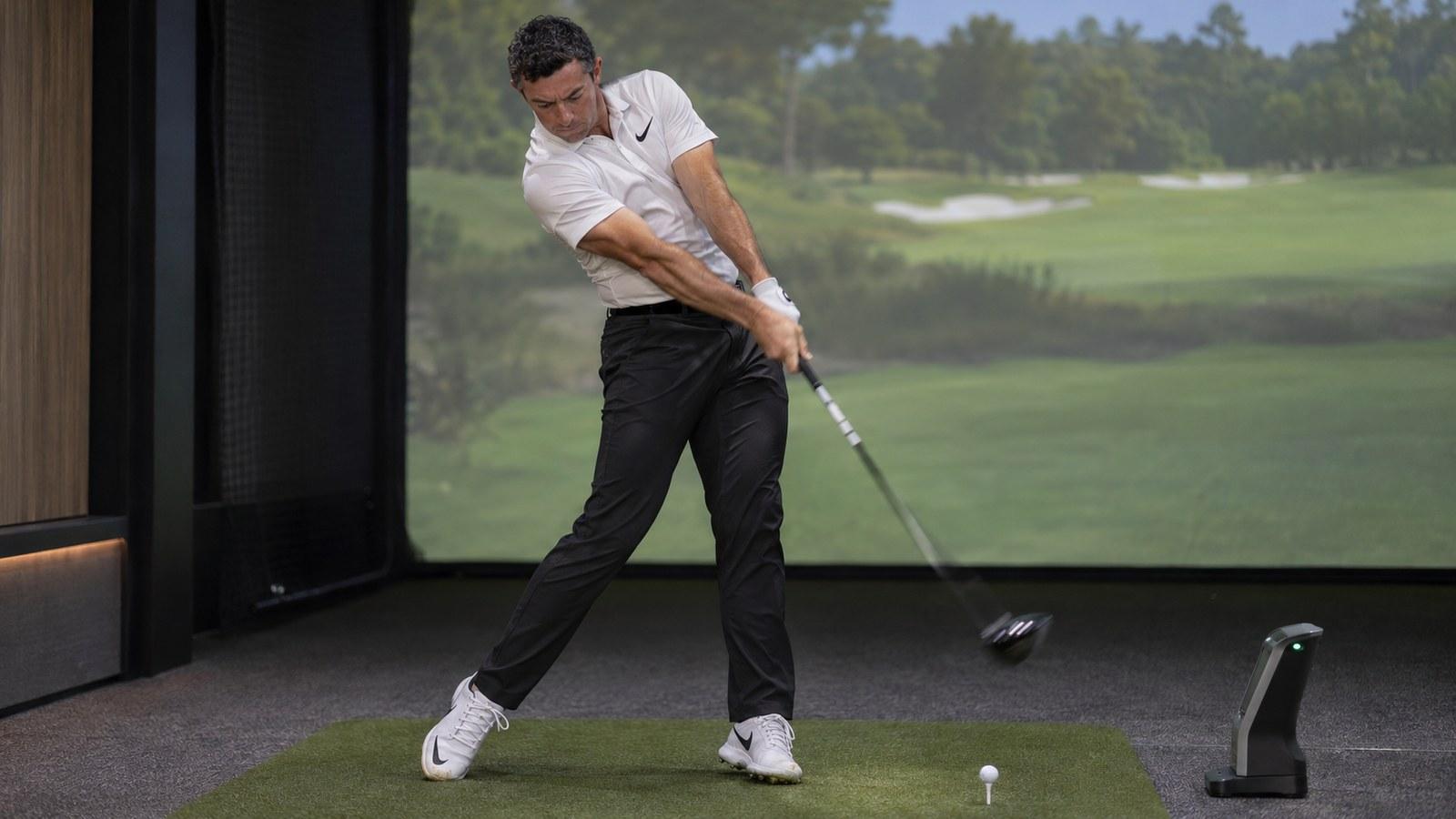
The fourth episode of the PGA of America's Swing Lessons studies McIlroy's driver from the face-on angle, from his setup tilt to the pelvis lift through impact, and ends with a wall drill.

Share this article

  • Rory McIlroy wrapped up his eighth Race to Dubai title on Sunday. Three days earlier, the PGA of America posted episode 4 of its Swing Lessons series, in which PGA coach Justin Kraft goes through McIlroy's driver swing in slow motion from the face-on camera. Kraft calls McIlroy one of the best drivers of the ball ever and focuses on how he adds speed and hits up on the ball with low spin. (Kraft also took apart Nelly Korda's iron swing last month.)

  • One caveat comes first. In this clip McIlroy has the ball a bit further back than usual to bring the flight down, Kraft says, though the body movement still holds up as a model.

    1. Tilt away at setup

    McIlroy's spine tilts slightly away from the target, so his shirt buttons sit just behind his belt buckle and his lead shoulder is higher than his trail shoulder. Kraft says that makes the angle of attack neutral or slightly upward. McIlroy's stance is about shoulder width or a little wider, and both feet are flared out a bit to help him turn both ways.

  • Make your call with Beat Chuck

    Check the challenge board for the latest open games.

    All Beat Chuck games →
    Golf Chuck
  • 2. A small early shift and wide arms

    Almost before the club moves, McIlroy shifts pressure into his trail foot. Kraft notes the camera wobbles in the clip and puts the actual move at maybe an inch or an inch and a half. When the lead arm reaches parallel, it is straight and the trail arm is extended but not locked, which keeps the swing wide.

    3. The transition

    Kraft calls this McIlroy's superpower and the move most amateurs should copy. As the backswing finishes, McIlroy's chest lowers and his lead shoulder keeps turning back. At the same time, his pelvis finishes its turn and starts shifting toward the target. That stretch between lead shoulder and lead hip builds the coil, keeps his spine tilted away from the target and leaves the upper body trailing the lower body. Kraft says this shallows the delivery and lets the lateral move happen before rotation and vertical force.

    4. The belt buckle goes up

    Through impact McIlroy pushes off the ground and his pelvis lifts sharply. Kraft tells viewers to watch the belt buckle "explode upwards." The lift pulls the butt of the club up, which improves the angle of attack and speeds up the clubhead.

  • The wall ball drill

    Kraft finishes with a drill for the transition. Stand with a ball pinned between your backside and a wall, then swing to about chest height. From there to the top, roll the ball along the wall toward the target while your lead shoulder keeps working down over your trail foot. That trains the lower body to lead while the upper body finishes the backswing.

    Sim golfers can check the setup change quickly, since most launch monitors that track club data report angle of attack. Add the spine tilt and see whether the number moves up.