Make your picks. Beat the host.

Take on Chuck in quick sports prediction challenges.

Find a golf challenge
Joe Lagowski puts BenQ’s SL7504 beside the simulator screen cover
Back to The Perfect Lie

Joe Lagowski puts BenQ’s SL7504 beside the simulator screen

His new walkthrough examines a 75-inch secondary display for data and menus, with brightness and mounting among the practical tradeoffs.

Share this article

FacebookLinkedInXEmail
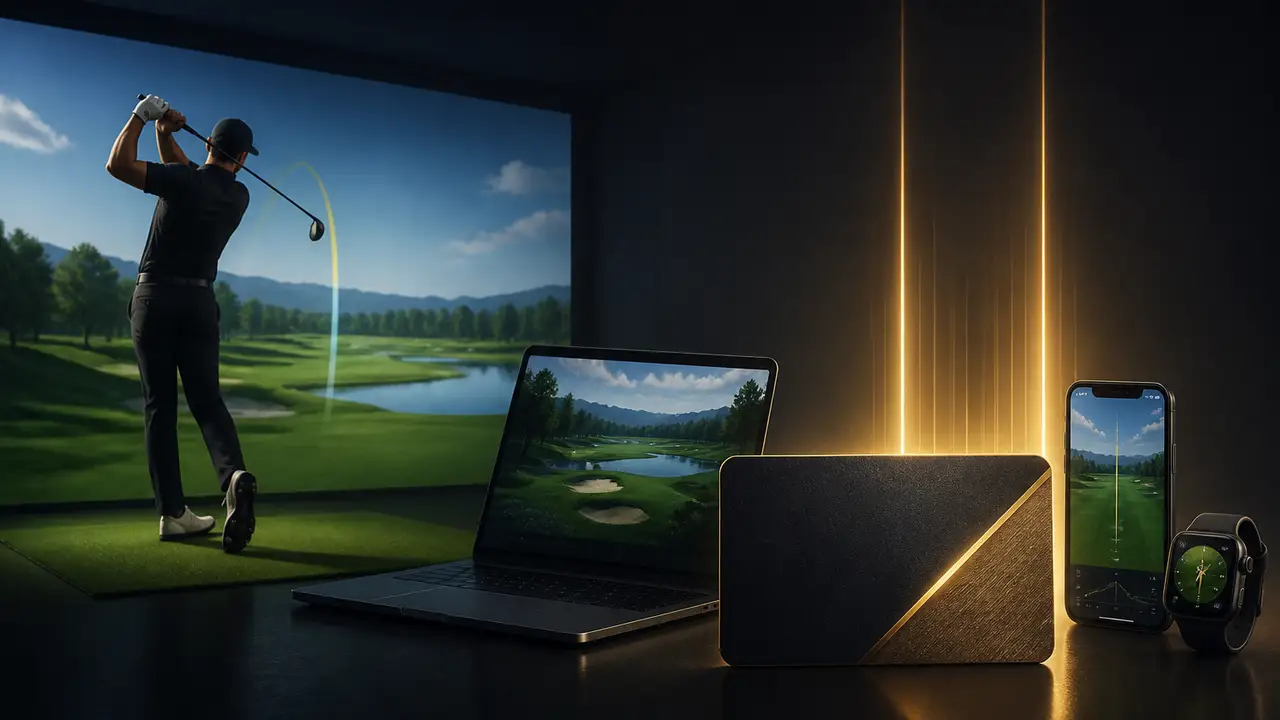
  • Joe Lagowski’s October 6 simulator walkthrough looks at a display with a different job from the impact screen. BenQ’s 75-inch SL7504 sits beside the hitting area, where it can show data, menus and other information while the main screen carries the golf view.

    Lagowski discloses that BenQ supplied the unit and that he has worked with the company over several years. His observations come from that demonstration, not an independent lab comparison.

  • YouTube

    Joe Lagowski Golf: The Perfect Display for a Golf Simulator?

    Read source
  • The appeal in his room is readability. He compares reflections under his lights with those on a consumer television and finds the BenQ’s anti-glare surface helpful. That is a result in his setup; the position of lights and displays will affect what another bay shows.

  • Make your call with Beat Chuck

    Check the challenge board for the latest open games.

    All Beat Chuck games →
    Golf Chuck
  • BenQ’s official specifications give the hardware context: a 3840-by-2160 IPS LCD panel, typical brightness of 500 nits, an anti-glare surface and operation rated for 24 hours a day, seven days a week. The manufacturer also lists 99% sRGB coverage.

    For a simulator using persistent data panels, scoreboards or menus through long sessions, that continuous-operation specification is relevant. A home room used occasionally has a different workload. Lagowski says an ordinary television can still make sense for lighter use.

    The physical installation is another part of the decision. BenQ lists the display at 29 kilograms, or 63.9 pounds, with a 600-by-400-millimeter VESA mounting pattern. Lagowski describes needing help to mount it. A 75-inch panel takes wall space as well as a suitable support; its role in the room needs to be settled before choosing a size.

  • His demonstration offers a useful question for builders: which information do you want to read while standing at the hitting position? A second display can keep that information available without covering the course view. It does not replace the impact screen or the projector.

    Start with the viewing position, room lighting and expected hours of use. Those explain more about this type of display choice than the diagonal measurement alone.