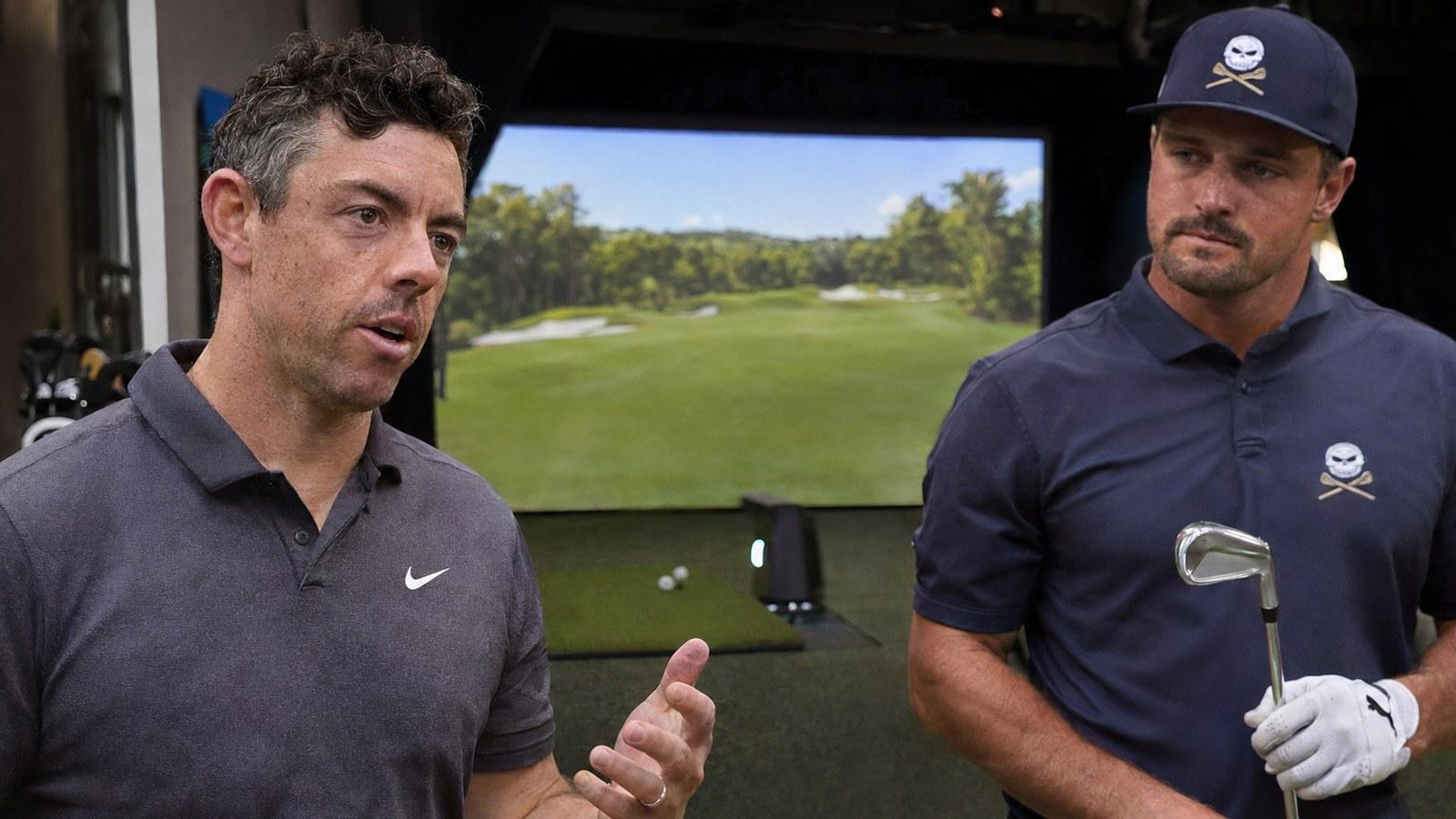
Golf Digest's Luke Kerr-Dineen uses tour and Arccos data to name nine shots that save doubles
The Film Study episode ranks the shots that keep higher handicaps out of trouble, from fairway bunkers to a five-yard-short 'in-between' iron, and shows how pros hit each one.
By The Perfect Lie Golf Desk / 1 source / Published November 9, 2026 / Updated November 9, 2026
Golf Digest's Luke Kerr-Dineen started with a simple question for the latest episode of the magazine's Film Study series, posted Nov. 6: which shots does a golfer actually need to break through to a lower handicap? To answer it, he leaned on PGA Tour ShotLink data and amateur numbers from Arccos and Shot Scope, then broke down how pros hit each one.
- YouTube
The 9 Shots Every (Good) Golfer Needs | Film Study
Read source ↗ He is clear that the list is not every shot in golf. These are the ones that turn a double into a par.
Off the tee and from the sand
1. The don't-screw-up fairway bunker shot. Pros advance fairway bunker shots at least 90 percent of the distance to the hole out to 200 yards, the video says, while a 10-handicap only manages that to 140, and one in 10 amateur shots from there travels less than 20 yards. The fix is ball-first contact: widen the stance, choke down, don't dig the feet in, play the ball a touch back and take an extra club or two.
Free to play
Make your call with Beat Chuck
Check the challenge board for the latest open games.
All Beat Chuck games →
2. A low-tee fairway finder. Golfers hit 14 tee shots a round, about 20 percent of a pro's strokes. Golfers who shoot in the 80s and 90s hit fewer than half their fairways, Kerr-Dineen says, and go out of bounds or into a hazard another 8 percent of the time. Rather than a stinger, he points to teeing the ball so only about a third of it sits above the driver's crown. On tour last season those low-tee drives peaked about 30 feet lower and carried only about 10 yards less than stock drives at the same ball speed.
Scoring clubs
Select a dotted term for a quick explanation.3. The 50 percent launch wedge. For shots of 30 to 100 yards, the target is a half the club's loft, so 30 degrees with a 60-degree wedge. Coach Mark Blackburn's recipe: ball slightly back, weight slightly forward, shorter backswing and follow-through, and no loss of speed. A pro might face one of these a round; a 90s golfer may face 13.
Quick definitionLaunch angle
How steeply the ball rises as it leaves the clubface.
A shot launched at 30° starts out steeper than one launched at 20°. How far it flies also depends on speed and spin.
Source · TrackmanRelated guideHow to connect your launch monitor →4. The soft-landing long approach. Around 175 yards, Arccos finds a 10-handicap hits the green only about 20 percent of the time. The best tour players from long range approach with above-average spin, and Kerr-Dineen's answer for amateurs is equipment: a 9- or 11-wood, played back of driver position with a slightly negative angle of attack.
5. The run-like-a-putt chip. Inside 10 yards, pros hole chips about 10 percent of the time and leave them 3 to 4 feet away on average, roughly half the 7 to 8 feet of scratch players, according to ShotLink figures cited in the video. Tommy Fleetwood describes it as putting with loft: narrow stance, square face, shaft a bit more upright, weight forward.
6. The kinda short-sided chip. From 15 to 30 yards, usually out of rough, use the same setup with the shaft less upright and a little more wrist hinge. Ten-handicaps come up short on approaches about half the time, and they miss the green about 10 percent of the time from these spots.
Bunkers, putts and the in-between iron
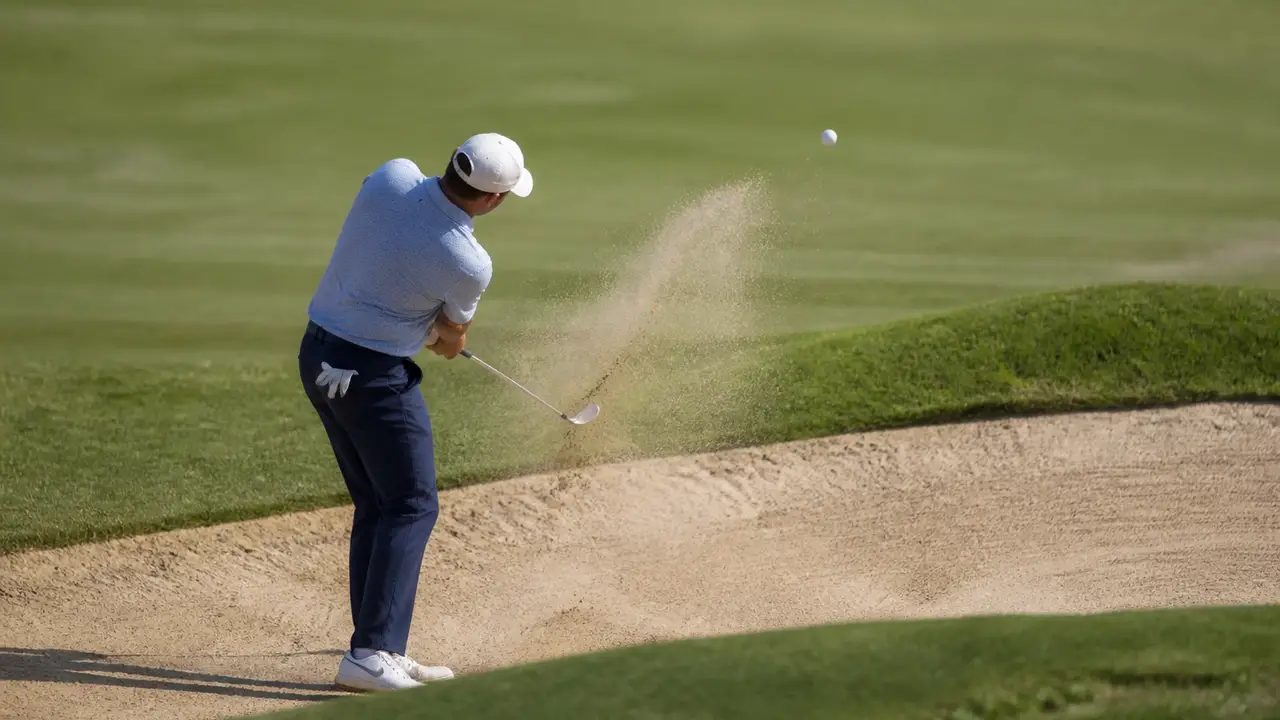
7. The nothing-special greenside bunker shot. Shot Scope data in the video has an 8-handicap missing the green almost 20 percent of the time from greenside bunkers and leaving it in the sand another 4 percent. Hit about an inch behind the ball with a slightly open face and, per coach Joe Mayo, a little shaft lean.
8. The dying-speed putt. Tour players' speed window is usually 2 to 3 feet. Kerr-Dineen calls forced acceleration through the ball a busted myth, noting many elite putters decelerate slightly and finish shorter than their backstroke. Putting coach Phil Kenyon's feel is to start the putter back, then let it fall and glide into the ball.
9. The in-between iron. From 120 to 160 yards in the fairway, pros hit the green more than 75 percent of the time, while even low handicaps are near 50 percent. Cameron Young told Kerr-Dineen he shortens his follow-through to take a little speed off, and Collin Morikawa opens the face at setup for a slightly bigger fade. Both versions fly about 5 yards shorter than stock.
Taking it to the sim
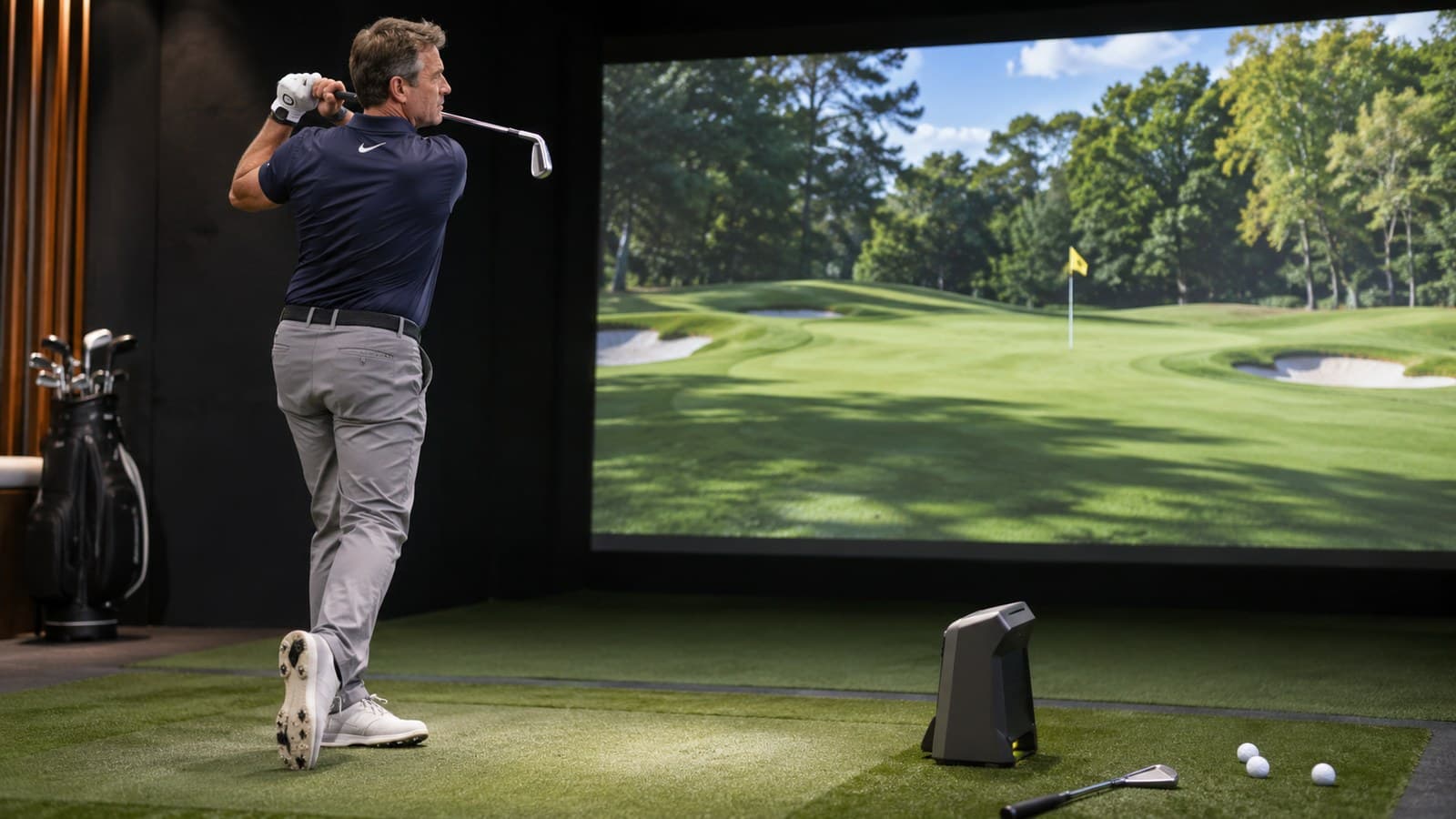
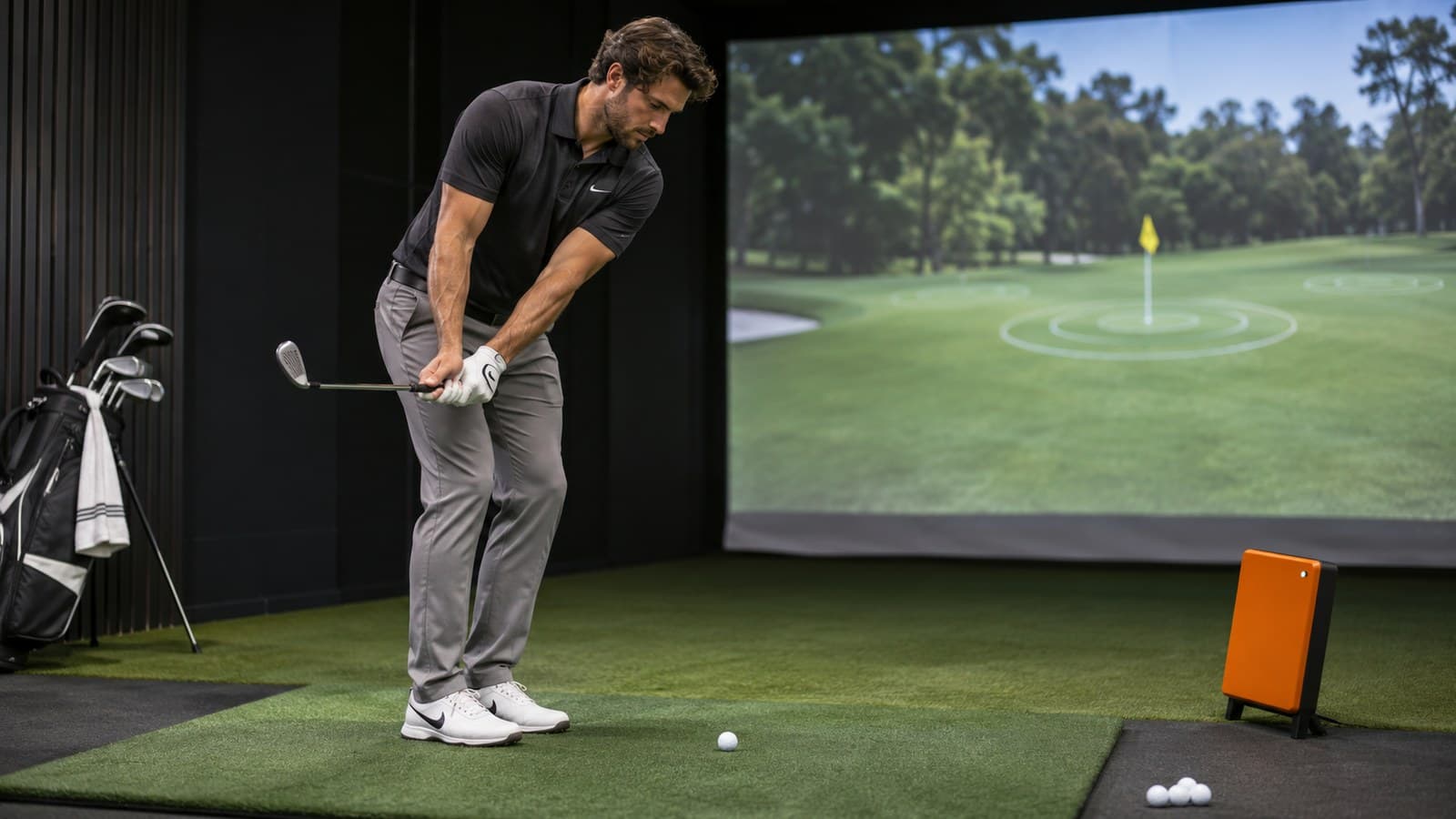
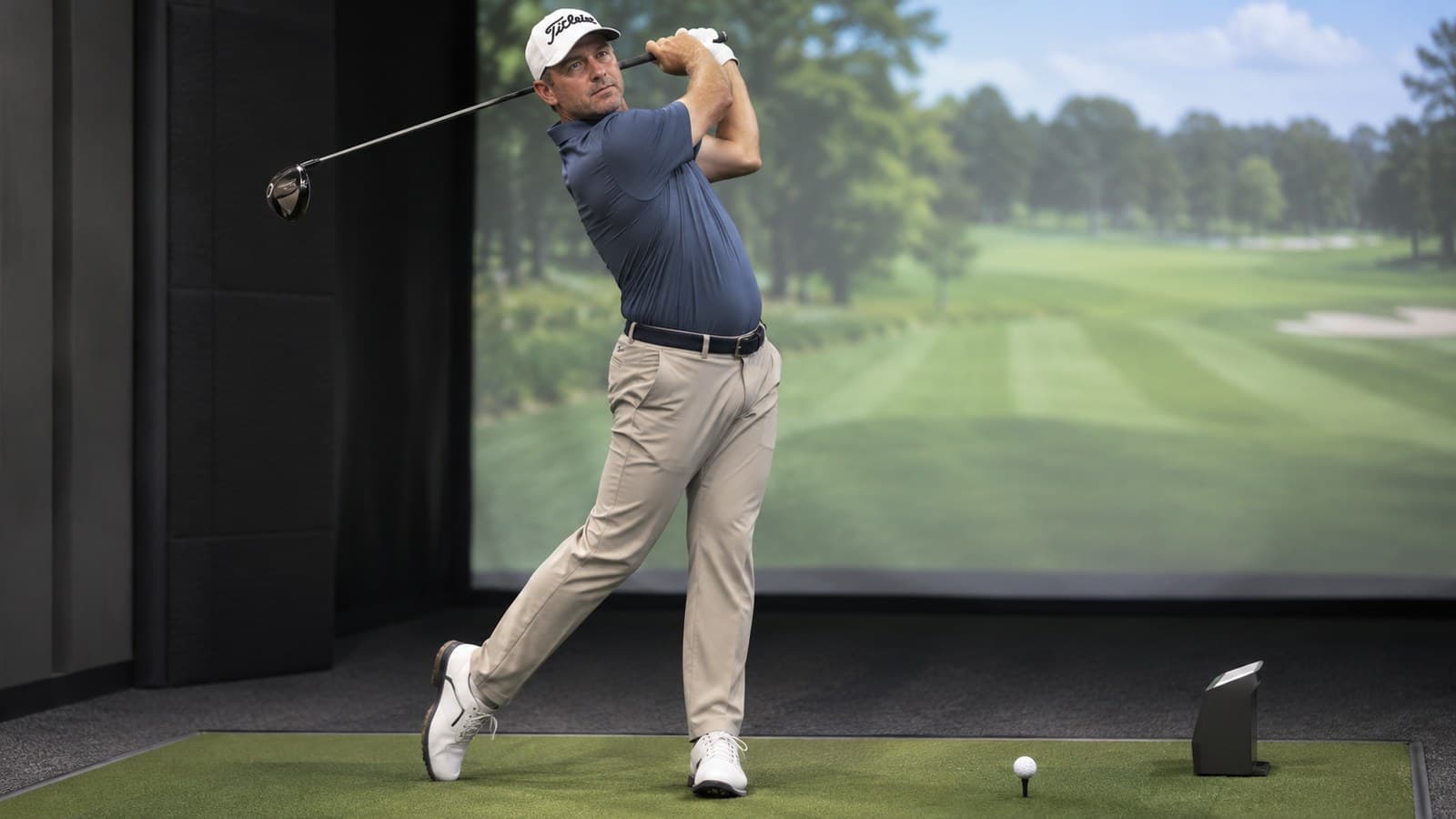
Most of the list works on a simulator bay. The low-tee driver, the half-loft wedge and the in-between iron all show up in launch and apex numbers right away, so a launch monitor will tell you quickly whether the change is working. Golf Digest has a companion written version of the list on its website.
More from The Perfect Lie