BirdieSense runs a driving-range comparison with Trackman
A golfer, paired displays and the company’s testing notes offer a closer look at its camera-based monitor.
By The Perfect Lie Golf Desk / 1 source / Published October 19, 2026
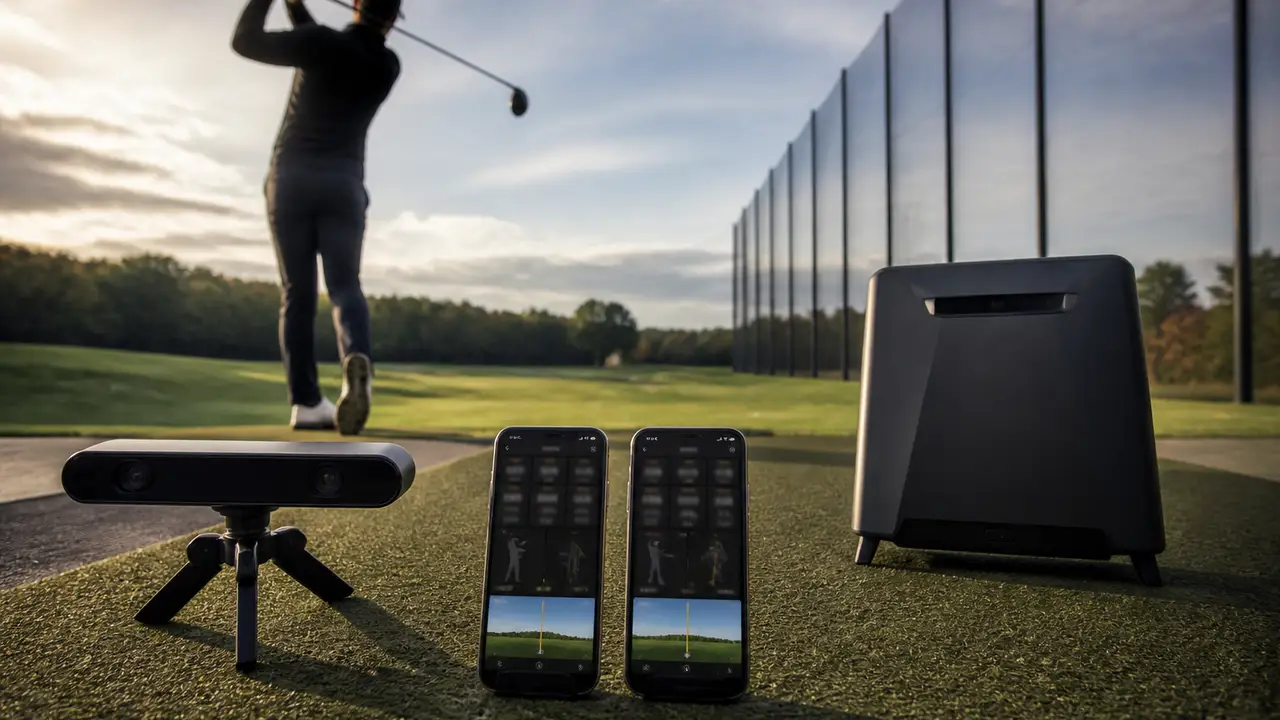
BirdieSense has taken its dual-camera golf monitor to the driving range for a session beside Trackman. In the company's October 18 video, a golfer hits from a mat while phone screens display readings alongside the equipment.
The company calls the roughly three-minute clip an unedited comparison with Trackman Dual Radar. Keeping the golfer and displays in view lets viewers follow the swings and the readings that appear around them.
BirdieSense is trying to fit several practice tools into one device. Its product materials describe ball and club tracking, swing video and body-motion analysis. A phone supplies an additional camera view for its 18-joint skeleton model, giving the system information about the golfer as well as the shot.
Free to play
Make your call with Beat Chuck
Check the challenge board for the latest open games.
All Beat Chuck games →
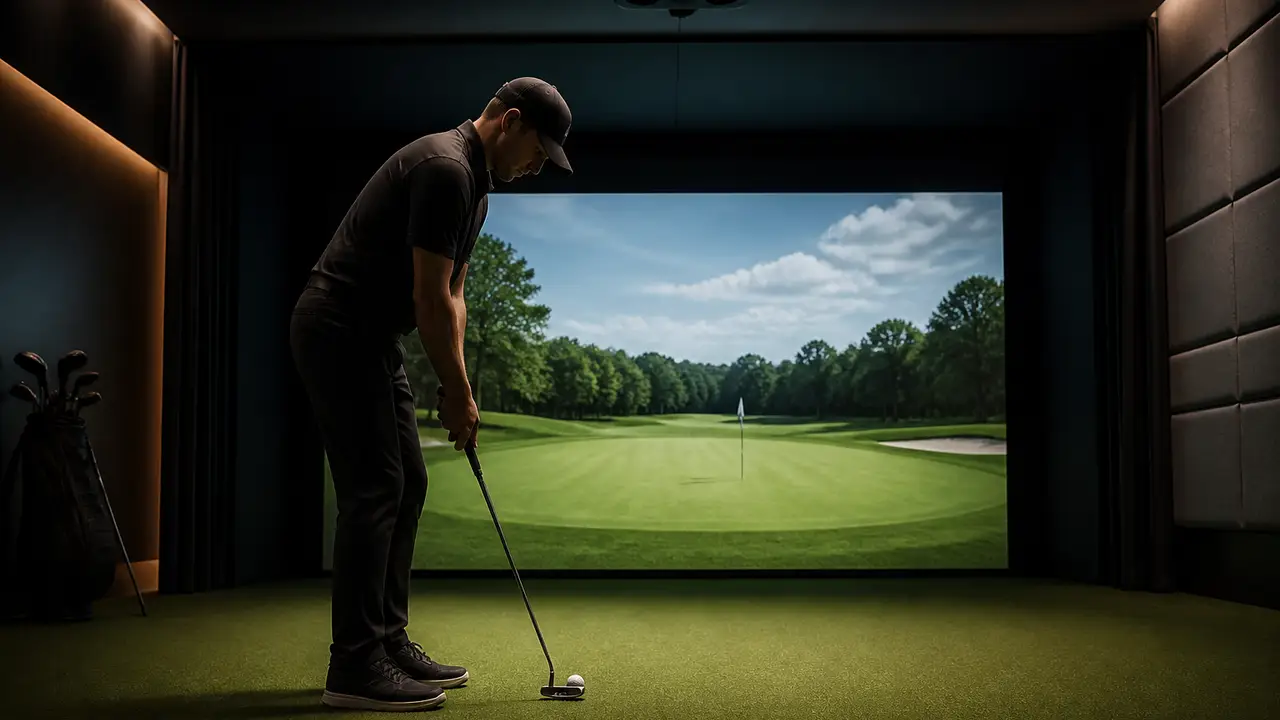
The setup described in its FAQ puts the unit behind the ball along the target line. The phone's extra view supports posture analysis. Indoors, the company describes a workflow that can read shot data from a simulator screen, so those displayed numbers have a different origin from readings the monitor captures outdoors.
How BirdieSense gets a number is as useful a question as how closely that number matches Trackman. Its October 3 validation notes describe club path as directly tracked through vision keypoints. Carry distance, face angle and face-to-path involve calculations. A matching carry figure therefore tells only part of the story about the measurements underneath it.
The same notes give golfers something more specific to examine: the company reports development-test carry results typically within approximately 3–5 percent of Trackman, and a spin-rate accuracy range of approximately 200–500 rpm. BirdieSense labels those figures preliminary, rather than guaranteed tolerances for every shot.
A fuller test record would show how those ranges hold up across an entire session. The published methodology leaves out the sample size, software version, missed readings and treatment of outliers. Without those details, the new footage remains a manufacturer demonstration of individual shots, rather than an independently certified accuracy result.
Life At The Turn's September conversation with founding engineer Jack Lin helps explain the hardware choices. Lin described cameras facing different directions, with their fields of view helping dictate the device's shape. He also discussed cooling designed for extended use at a sunny range.
In that September interview, Lin said the initial hardware was designed for right-handed golfers. The camera geometry would require a separate left-handed version, which was not planned for the first batch. The report described parts of the broader platform as still under development while the company prepared for Kickstarter production.
More from The Perfect Lie